
Shopify apps and integrations
Custom apps and ERP links that keep the store honest.
When Shopify has to talk to Business Central, Odoo, NetSuite or a system with no native app, we build the connection and own it after go live.
Custom app development first. ERP connections that survive go live. Business Central, Odoo, NetSuite, SAP, Sage and the systems around them.
Why the connection matters
Shopify rarely runs alone. Stock, price and customers usually live in an ERP or another system of record. If those systems disagree, the storefront starts to lie, the warehouse chases ghosts, and wholesale buyers lose trust.
We build the layer that keeps them honest. Custom Shopify apps when the workflow is yours. ERP integrations when Business Central, Odoo, NetSuite, SAP or Sage has to stay in charge. Direct APIs or middleware when that is the cleaner model. The same people who scope it build it and can stay on after launch.
The store stops lying
When stock, price and orders live in different systems, customers see the wrong number. An integration keeps Shopify and the ERP in agreement.
The team stops rekeying
Manual exports break under volume. Orders, invoices and inventory should move without someone copying rows between tools.
Wholesale stays accurate
Account pricing, company records and credit terms belong in the ERP. The storefront has to respect them in real time.
You own the workflow
Public apps cover common jobs. When the process is yours alone, a custom Shopify app or private API is the honest answer.
Custom apps first. Connectors when they earn it.
We do not start with a pile of apps. We start with the workflow. Then we choose a public app, middleware or a custom build.
Custom Shopify apps
Private apps and custom apps for workflows no public app covers. Admin tools, checkout logic, fulfilment exports and the odd process only your operation has.
ERP sync
Two-way flows for products, inventory, customers, prices and orders. The ERP stays the system of record. Shopify stays the place customers buy.
Middleware when it fits
Patchworks and similar iPaaS tools when a connector platform is the right ownership model. We design the maps, own the go live, and stay for the edge cases.
3PL and fulfilment
When a provider has no native Shopify app, we build the export or webhook path so orders leave without manual copying.
B2B and pricing logic
Account prices, company records and trade rules that have to match the ERP. SparkLayer and custom pricing when the standard tools are not enough.
Marketing and ops apps
Klaviyo, Yotpo, Recharge, Matrixify, Judge.me and the rest, installed and configured only when they earn their place. Short stack, clear owners.
What usually syncs
- Products and variants
- Inventory and availability
- Customers and companies
- Account and date-based pricing
- Orders and fulfilment status
- Invoices and payment status
ERP integrations we plan for
The big names merchants ask about. Business Central is where we have the deepest published wholesale work. The others follow the same standard: clear maps, tested cutover, ownership after launch.
ERP
Business Central
Microsoft Dynamics 365 Business Central
The ERP we connect most for UK and European wholesale. Products, customers, orders and pricing kept in sync with Shopify Plus. We have shipped this on a live food wholesaler.
ERP
Odoo
Odoo
Inventory, sales and accounting on Odoo, commerce on Shopify. Clean field mapping and a sync rhythm the ops team can trust.
ERP
NetSuite
NetSuite
Order, inventory and customer flows between Shopify and NetSuite, including the edge cases mid-market brands actually hit.
ERP
SAP
SAP
SAP Business One and wider SAP landscapes. Shopify talks to the system of record without turning the storefront into a second ERP.
ERP
Sage
Sage
Sage 50, Sage 200 and Sage X3 style setups. Orders and stock moving between commerce and finance without spreadsheet glue.
ERP
Dynamics F&O
Dynamics 365 Finance and Operations
Larger Microsoft estates where Finance and Supply Chain need a deliberate integration layer, not a one-click connector.

We have done this on live stores
Not a slide deck about connectors. Real wholesale sync, real custom fulfilment, and a team that stays after go live.
Business Central on a live wholesaler
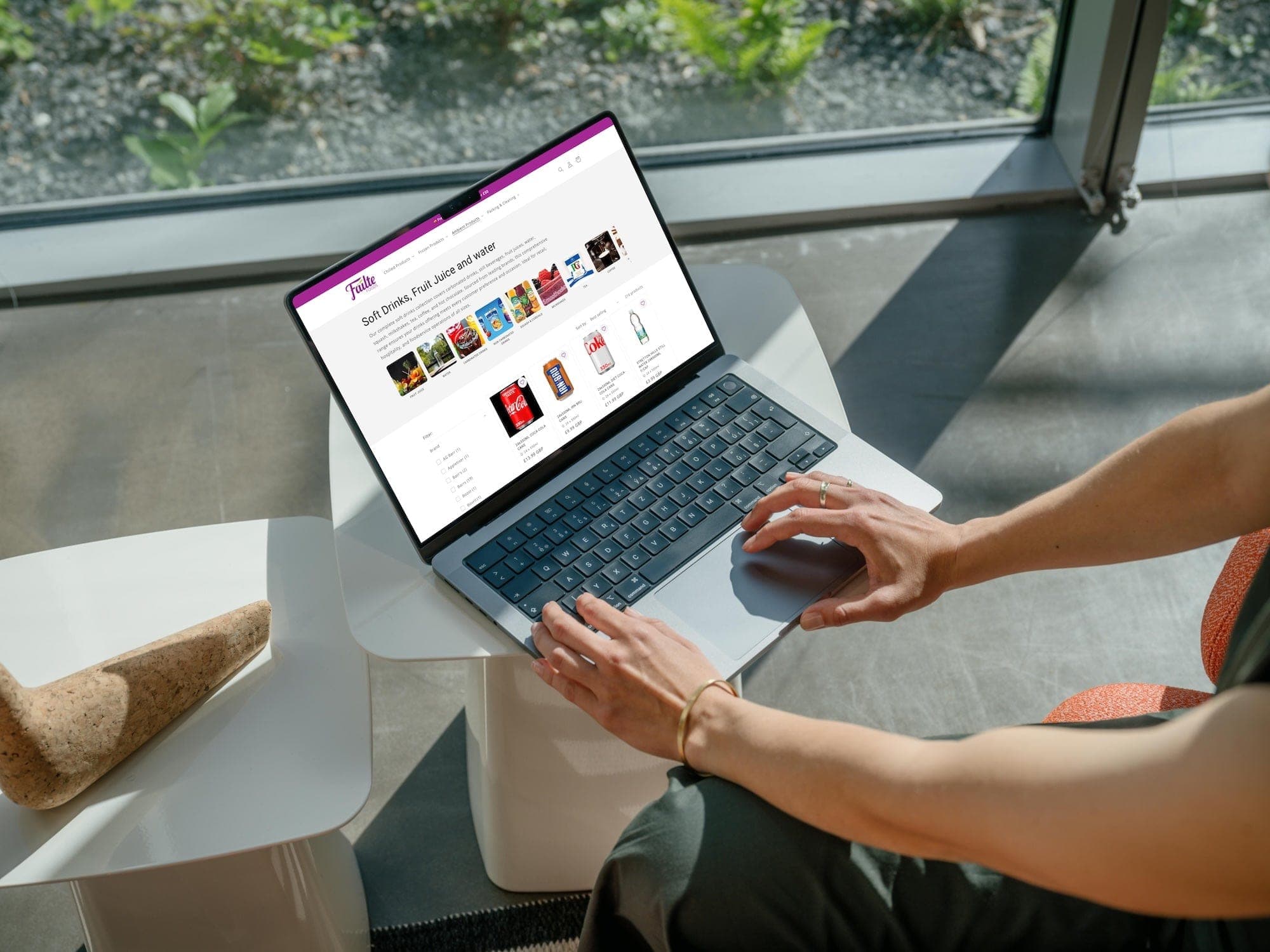
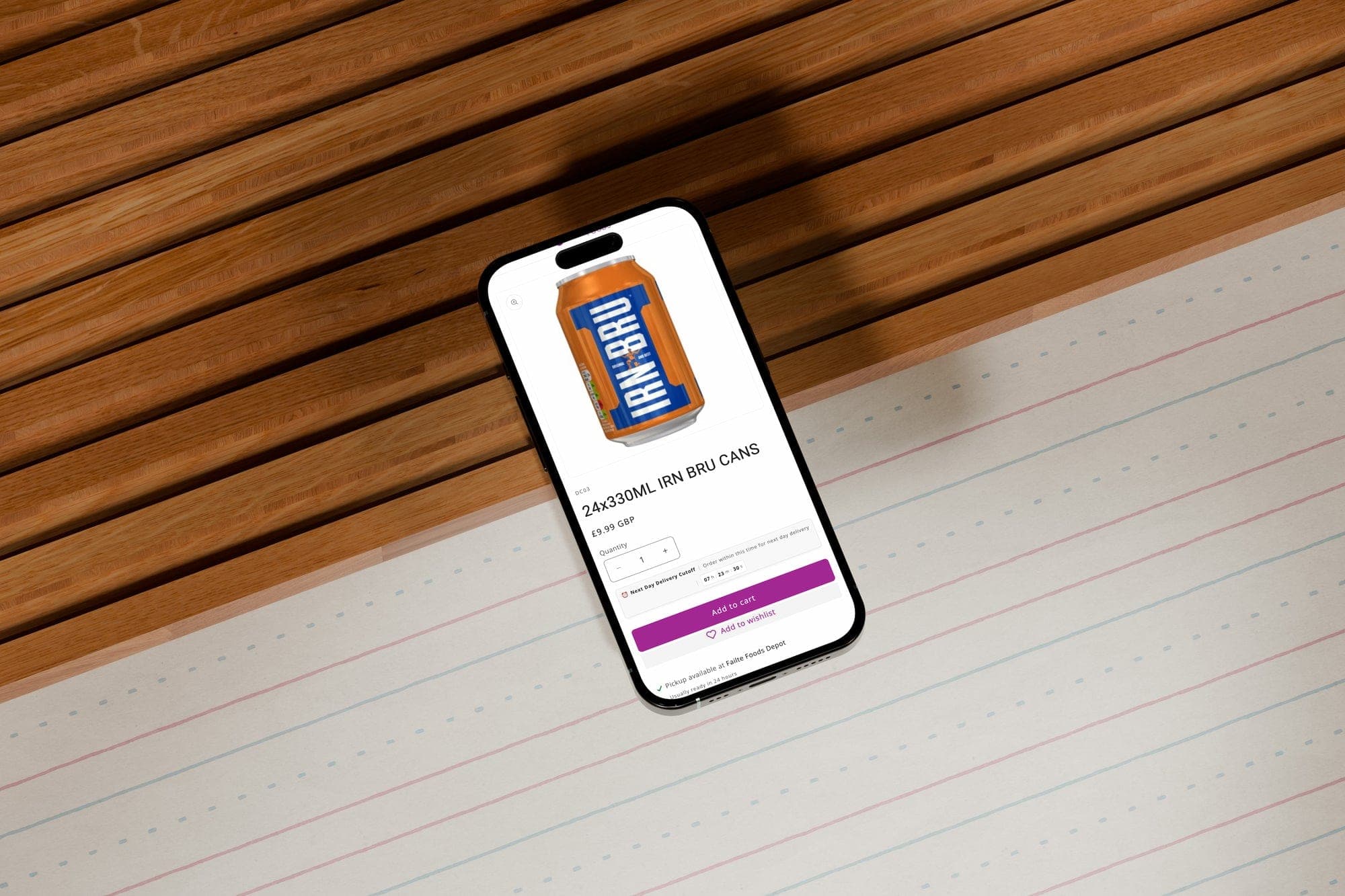
Fáilte Foods moved to Shopify Plus with real-time order and customer sync into Business Central. Product data had to be right while the ERP was still settling.
Read the case studyCustom fulfilment when no app existed
Surrey Cricket Club's print on demand providers had no native Shopify integration. We built the export so orders routed without manual intervention.
Read the case studyCommerce and systems, not slides
We scope and build the layer between the storefront and the rest of the business. The same people stay on after launch through support.




Systems we work around
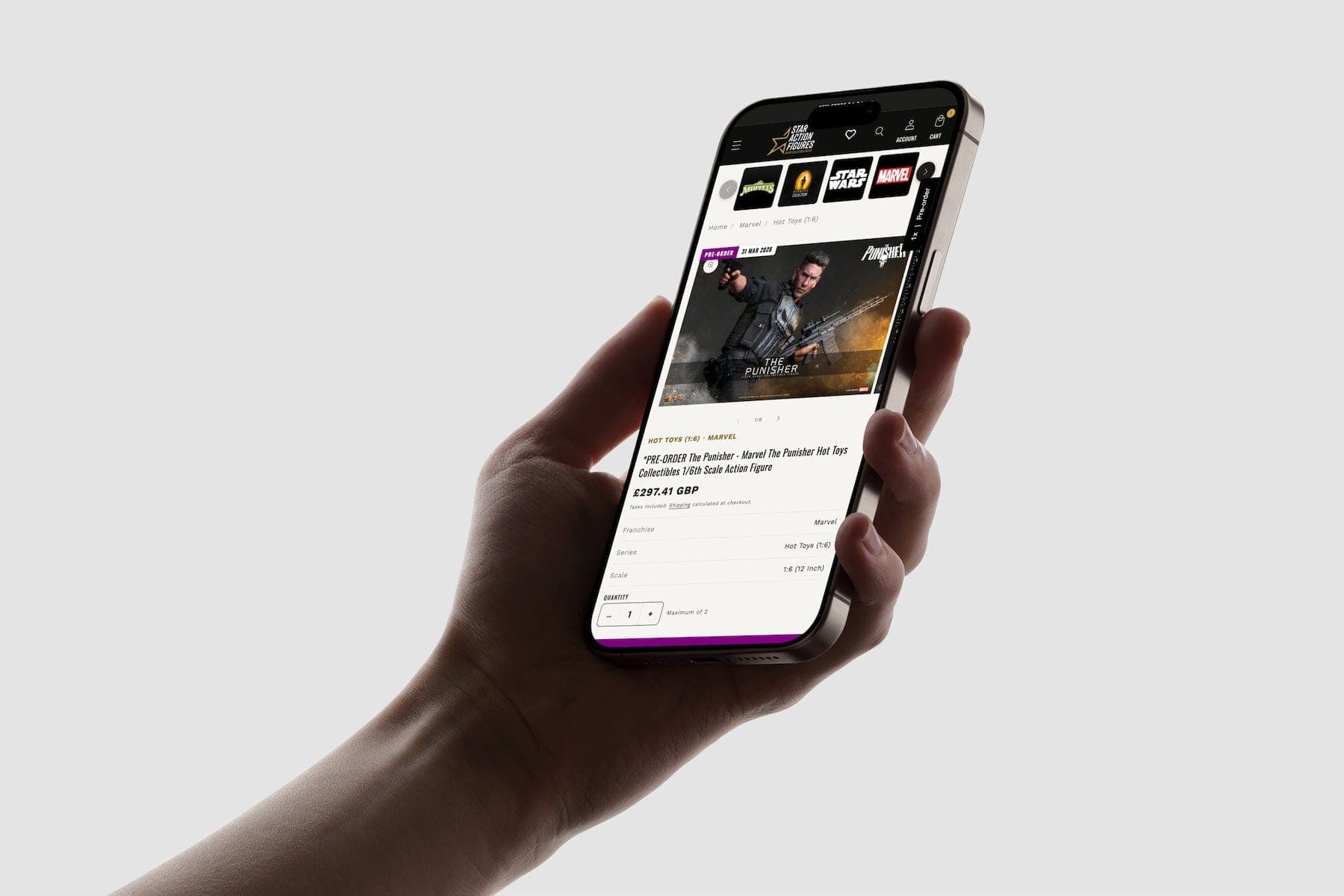
Shopify, Business Central, Odoo and the apps that sit next to them when they earn a place.










How an integration runs
01
Map the systems
What is the system of record for stock, price, customers and orders. Where does Shopify win, and where must it listen.
02
Choose the shape
Custom app, direct API, or middleware. We pick the model that matches the complexity and who should own it long term.
03
Build and validate
Field maps, error handling, retries and staging tests with real-shaped data before anything hits production.
04
Launch and watch
Go live with monitoring. Edge cases get fixed fast. Ongoing care sits in support when you want a monthly rhythm.
Works with
B2B commerce
Wholesale portals, company pricing and trade checkout that need the ERP connection underneath.
Design and build
The storefront and catalogue structure the integrations feed. Builds and connections planned together.
Ongoing support
Monitoring and improvements after go live, including the integrations that keep trading honest.
Our apps
OrderLoop on the App Store
We also publish public Shopify apps. OrderLoop covers B2B reorder lists. Custom apps and ERP links stay the work we build for your workflow alone.
Questions before you connect
Do we need a custom app or a public app?
Public apps are right when the job is common and the vendor is solid. We build a custom or private Shopify app when the workflow is yours alone, or when a provider has no native connector.
Which ERPs do you integrate with?
Microsoft Dynamics 365 Business Central, Odoo, NetSuite, SAP, Sage and Dynamics 365 Finance and Operations. If your ERP has an API, we can plan the sync. Business Central is where we have the deepest published wholesale work.
Can you work with our ERP partner?
Yes. They own the ERP. We own the commerce integration layer. Joint calls are normal. Clear ownership stops the gap between systems becoming nobody's problem.
What about Patchworks or other middleware?
We use middleware when it is the right ownership model. We still design the maps, test the edge cases and stay accountable after launch.
How long does an integration take?
A focused sync can land in weeks. Wholesale pricing, company records and a settling ERP take longer. Discovery names the real timeline before we build.
Who looks after it after go live?
We do, when you want us to. Most clients keep the integration under monthly support so monitoring and fixes stay with the people who built it.
Notes on this work
Recent writing on Integrations.
Shopify custom app logs in the new Developer Dashboard
Shopify custom app logs, error rates and webhook health now sit in the Developer Dashboard. What changed and what to check on your ERP sync.
Matthew Collins · the 22nd of September 2026
Multiple barcodes per variant on Shopify
Shopify now supports multiple barcodes per variant, up to 20 each. What changed, how it affects your ERP sync and channel feeds, and what to check first.
Matthew Collins · the 10th of September 2026
Custom Shopify app or public app? How to decide
Custom Shopify app development or a public app from the App Store? How we decide on real stores, what each costs you to own, and when a mix wins.
Matthew Collins · the 30th of July 2026
Tell us what needs to talk to Shopify
Custom app, Business Central, Odoo or something with no native connector. Send the systems and the pain. We will tell you what to build first.
Prefer a call? Book a call.