
Harris Tweed Scotland sells luxury goods with real heritage. The store worked, but customers could not find what they wanted. We rebuilt the collections, rewrote the descriptions and redesigned the journey. Conversion improved, returning customers climbed, and gross sales grew.
Heritage accessoriesShopifyLuxury goods
Harris Tweed Scotland
Collections rebuilt around how customers shop.
A working Shopify store, reorganised so customers could find the craft. Conversion improved, and more people came back.
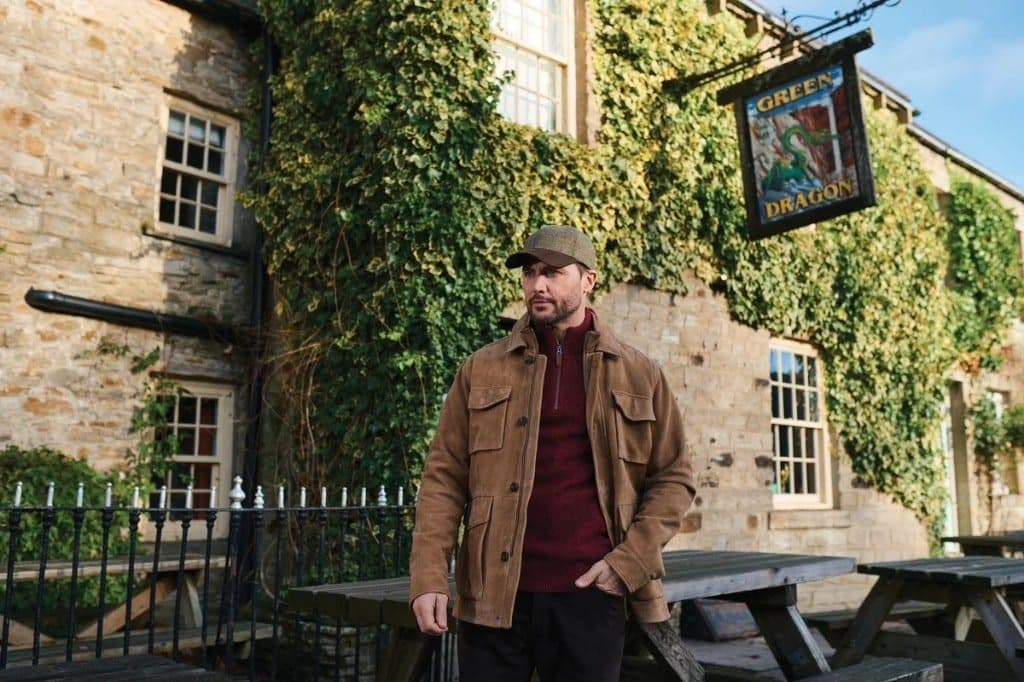
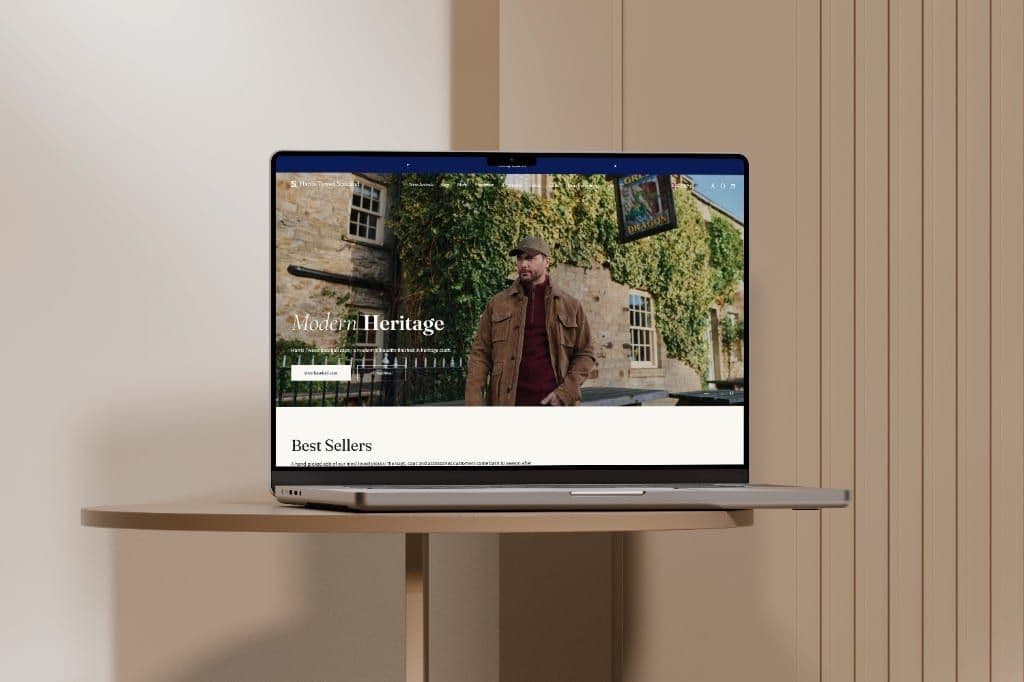
Collections were organised for the business, not for the person buying. Product descriptions read like inventory lists. The site did not reflect the craft of what they sold.
The detail
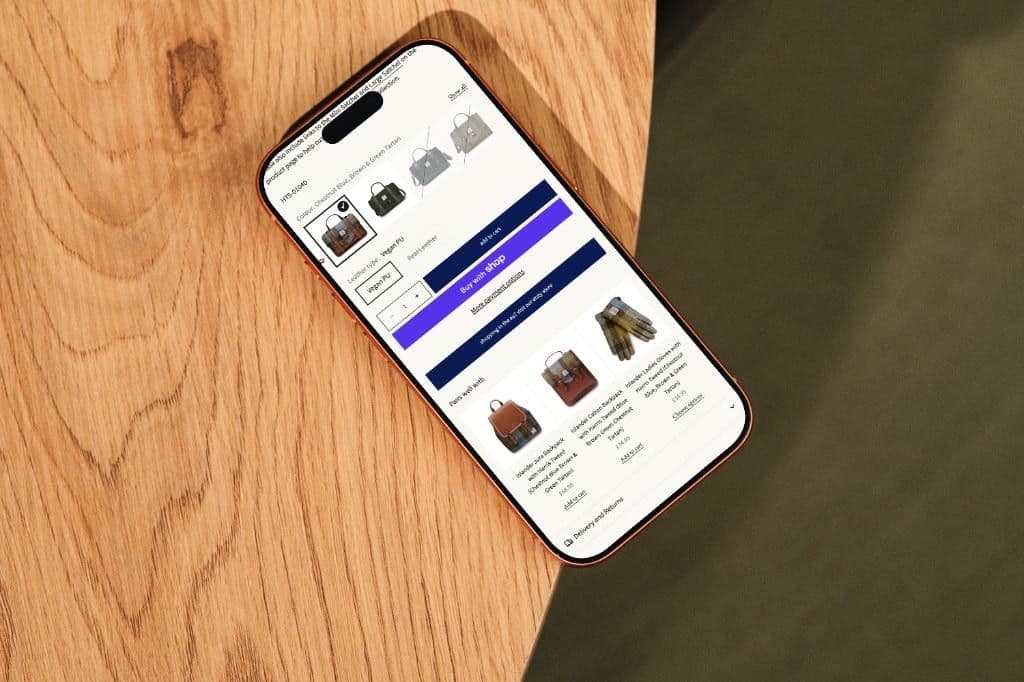
We started with collections. We looked at how customers actually browsed, then regrouped the catalogue around that. Products moved. Collections were renamed. Some hierarchies were flattened, and some were deepened. Customers who used to click through six pages found what they wanted in three.
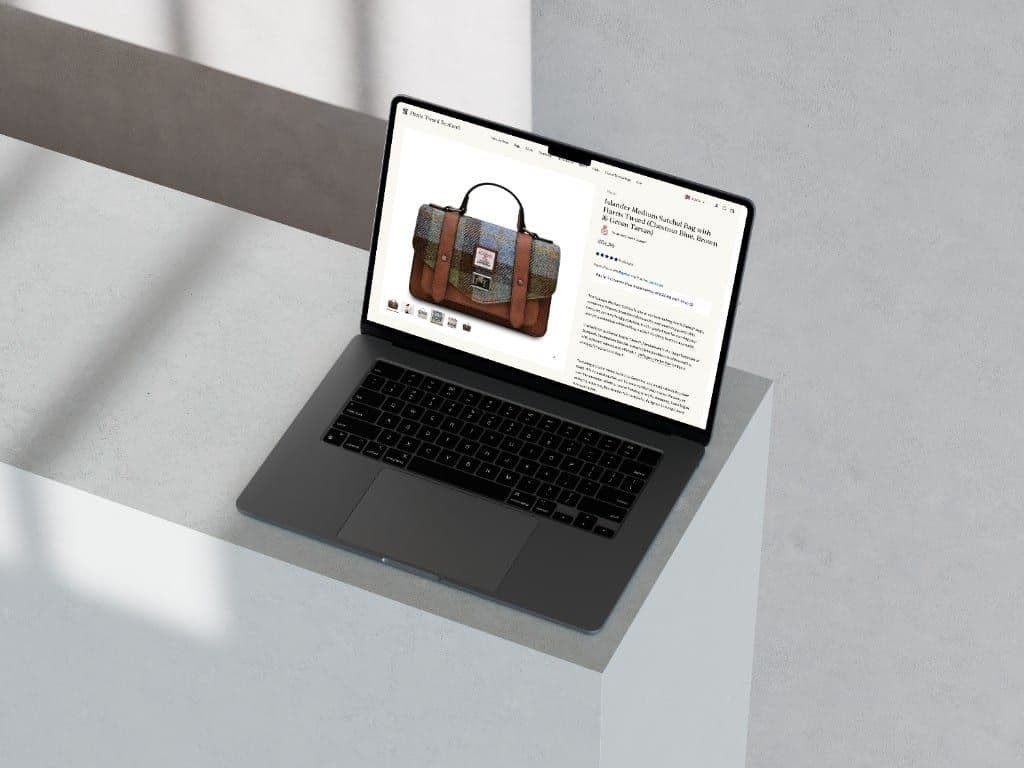
Then the product descriptions. Harris Tweed Scotland makes things with real craft and real heritage. The old copy did not say why a bag cost what it did. We rewrote it around the cloth, where it comes from, and why that matters. A customer is not only buying a satchel. They are buying Scottish heritage and craftsmanship.
Collection pages got the same treatment. Someone landing on satchel bags needed the styles, the differences, and what to weigh up. We wrote that guidance onto the collection.
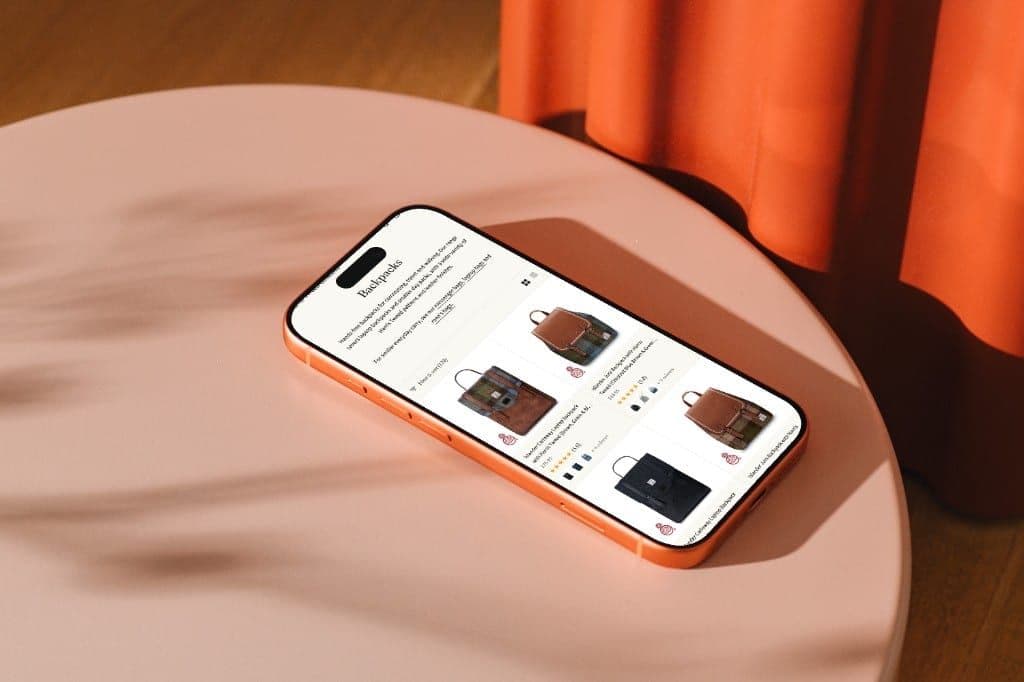
We also restructured the apps and integrations. Product updates and inventory management got faster, with less friction in the tools they already used.
One product category was not converting. We helped them phase it out, managed the transition, and cleared space for products customers actually wanted.
Paid traffic came last. Organic demand was already there. We brought in a specialist paid search agency that understood luxury goods, so the message reached people ready to buy.
The result
More customers completed checkout. The returning customer rate climbed. Gross sales grew across the engagement.
The clearer shift was in how the store felt. It stopped reading like a list of stock and started telling the story of the cloth. Customer feedback changed. Support tickets dropped. People spent longer browsing, because they were exploring rather than hunting.
Luxury brands do not win on price. They win on the story, and on what it feels like to buy. The store is where that starts.
If your catalogue is hard to shop, start with design and build.



Want a store that works this hard?
Tell us where the platform or the plan is holding you back. We will tell you what we would fix first.